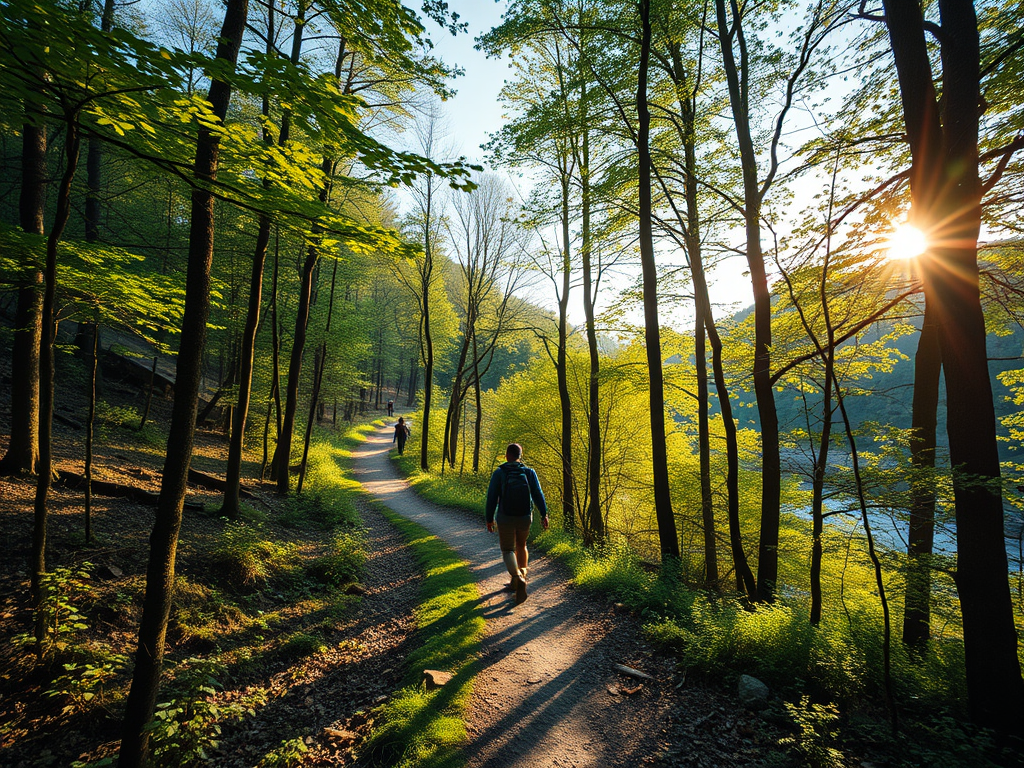
Going on nature walks is super healthy—both mentally and physically.
At its core, hiking is just walking—but usually on trails, through forests, up mountains, across hills, or along coastlines. It’s a more immersive experience in nature and can vary from a light, hour-long stroll to multi-day backpacking treks. Walking in nature walks can become a passion.
Here’s why it’s such a great habit:
🧠 Mental Health Benefits:
- Stress Reduction – Nature has a calming effect on the brain. It lowers cortisol levels (your stress hormone), helping you feel more relaxed.
- Improved Mood – Walking among trees, rivers, or even just a quiet park can boost serotonin and dopamine, which are mood-stabilizing chemicals.
- Mental Clarity – Being in nature helps reduce mental fatigue and increases focus and creativity. Even short walks can clear your head.
- Mindfulness Boost – Nature invites you to slow down and be present, which is great for practicing mindfulness and decreasing anxiety.
💪 Physical Health Benefits:
- Cardiovascular Health – Walking, even at a moderate pace, strengthens your heart, improves circulation, and lowers blood pressure.
- Better Immune Function – Regular exposure to nature may enhance immune system performance by increasing natural killer cell activity.
- Muscle & Bone Strength – Uneven terrain strengthens muscles, bones, and joints more than flat indoor surfaces.
- Vitamin D – Getting natural sunlight helps maintain healthy vitamin D levels, which supports your bones and immune system.

Hiking on Nature Walks Help the Body and Mind Performance
1. Full-Body Workout
- Legs: Climbing inclines strengthens quads, hamstrings, calves.
- Core: Balancing on uneven terrain keeps your core engaged.
- Upper body: If you’re using poles or carrying a pack, your arms and shoulders get in on the action too.
2. Heart Health
- Hiking gets your heart pumping, especially uphill. It’s great cardio and helps reduce the risk of heart disease, high blood pressure, and stroke.
3. Weight Management
- You can burn 400–700+ calories an hour depending on the trail and your pace. And it doesn’t feel like a workout, which is the best part.
🧬 Mental & Emotional Perks
1. Mood Booster
- Hiking triggers the release of endorphins, serotonin, and dopamine—aka the brain’s “happy chemicals.”
2. Nature Therapy
- Immersion in green spaces reduces anxiety, combats depression, and improves overall mental clarity. It’s like a mental reset button.
3. Digital Detox
- With spotty signal or no Wi-Fi, hiking forces you to unplug and just be—something we all need now and then.
Other Perks:
- Better Sleep – Exposure to natural light helps regulate your circadian rhythm, making it easier to fall asleep and wake up refreshed.
- Social Connection – Walking with friends or family in nature strengthens bonds and can boost overall well-being.
- Reduced Risk of Chronic Illness – Studies link regular nature walks to lower risks of diabetes, obesity, and even some cancers.
You don’t need fancy gear—just comfy shoes, water, and maybe some snacks. Start with local trails and work your way up to longer, more challenging hikes as you get more confident.
If you have a dog, hiking can be the perfect adventure to share with your furry friend. Most trails are labeled by difficulty—easy, moderate, or hard—so it’s a good idea to check those ratings before setting out. This helps ensure the trail matches both your fitness level and your dog’s abilities. Keep in mind that moderate and hard trails often involve steep inclines or rough terrain, which can be challenging for dogs, especially if they’re not used to longer hikes or climbing. Also, since you’re likely to encounter other hikers and possibly other dogs along the way, it’s important to make sure your dog is well-trained and comfortable with social interactions on the trail.
Remember where you park! It might be a good idea to download a trail app so you have a map to help ensure you don’t get lost and to remember where your car is parked at the end. Nothing is worse than not being able to find your vehicle after walking 5km in the sun!

 Inner Wellness Program
Leave a comment