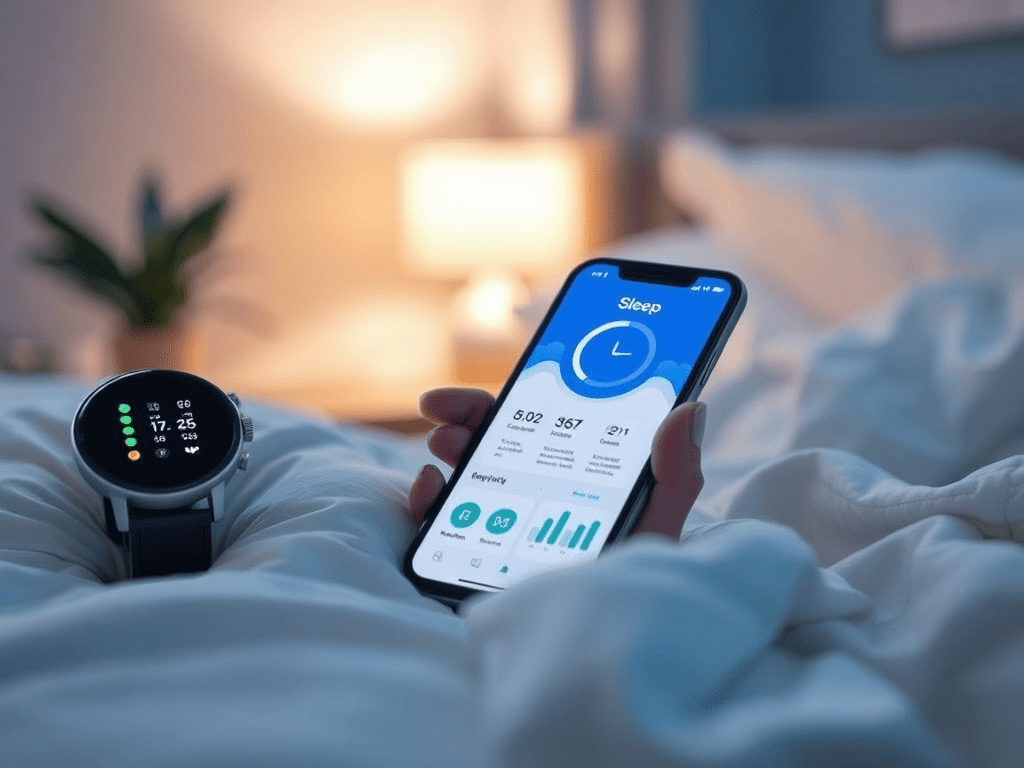
Getting better sleep starts with understanding how you’re currently sleeping—and for that, monitoring is key. Here’s a practical guide to both monitoring your sleep and improving it:
🛌 How to Monitor Your Sleep
1. Wearable Devices
- Smartwatches/Fitness Bands (like Apple Watch, Fitbit, Oura Ring, Garmin, WHOOP)
- Track heart rate, movement, and sometimes blood oxygen.
- Provide sleep stages (light, deep, REM), sleep duration, and disturbances.
- Many offer sleep scores and trends over time.
2. Sleep Tracking Apps
- Apps like Sleep Cycle, Pillow, SleepScore, or SnoreLab
- Use your phone’s microphone or accelerometer to monitor sleep.
- Track snoring, movement, sleep duration, and quality.
- Some have smart alarms that wake you during lighter sleep phases.
3. Smart Home Devices
- Under-mattress sensors or bedside monitors (e.g., Withings Sleep)
- Track breathing, movement, heart rate, and snoring without wearing anything.
4. Manual Sleep Logs
- Use a sleep journal to note:
- Bedtime/wake time
- Nighttime awakenings
- Energy/mood in the morning
- Caffeine/alcohol intake, screen time, exercise
- Helpful if you’re working with a doctor or therapist
🌙 How to Get Better Sleep
1. Set a Sleep Schedule
- Go to bed and wake up at the same time every day (even weekends).
- Helps regulate your internal clock (circadian rhythm).
2. Create a Sleep-Friendly Environment
- Cool (60–67°F / 15–19°C), dark, and quiet.
- Use blackout curtains, earplugs, white noise, or a fan.
- Make sure your mattress and pillow are comfortable.
3. Limit Blue Light Before Bed
- Reduce screen time 1–2 hours before sleep.
- Try blue light filters or glasses if you must use screens.
- Instead, read a book, stretch, or meditate.
4. Watch What You Eat and Drink
- Avoid caffeine after 2 PM.
- Limit alcohol—it can fragment sleep.
- Don’t eat large meals too close to bedtime.
5. Build a Wind-Down Routine
- Same relaxing activities each night signal your brain it’s time to sleep:
- Reading, gentle yoga, deep breathing, journaling
- Avoid intense workouts or stressful conversations late at night
6. Stay Active During the Day
- Regular exercise promotes deeper sleep—but not too close to bedtime.
7. Avoid Long Naps
- If you need to nap, keep it under 30 minutes and earlier in the day.
📊 Bonus: Understand Your Sleep Data
Once you start tracking, look for:
- Sleep debt: Are you consistently getting less than 7–9 hours?
- Sleep consistency: Are your bed/wake times regular?
- Restorative sleep: Are you getting enough deep and REM sleep?
- Interruptions: Frequent wake-ups? Look for patterns (e.g., noise, stress, food).
Getting better sleeps involving keeping track of your day to day habits, to figure out what causes you to have restless nights or have deep well rested sleeping. It is always good to create a comfortable place to go to bed, away from distractions and loud noises if possible. Some find a night light helpful to create a calm environment. A bad habit people have is to have the tv on in the background at night, and as entertaining as that may be it does not always lead to the best rest as your mind is distracted, and sudden loud noises can jolt you awake and trigger flight and fight response. A suggestion for this is to put your television on a timer if you like to watch it before bed, so that way it automatically turns off after some time which will leave you in a quiet space for the majority of night.

 Inner Wellness Program
Leave a comment