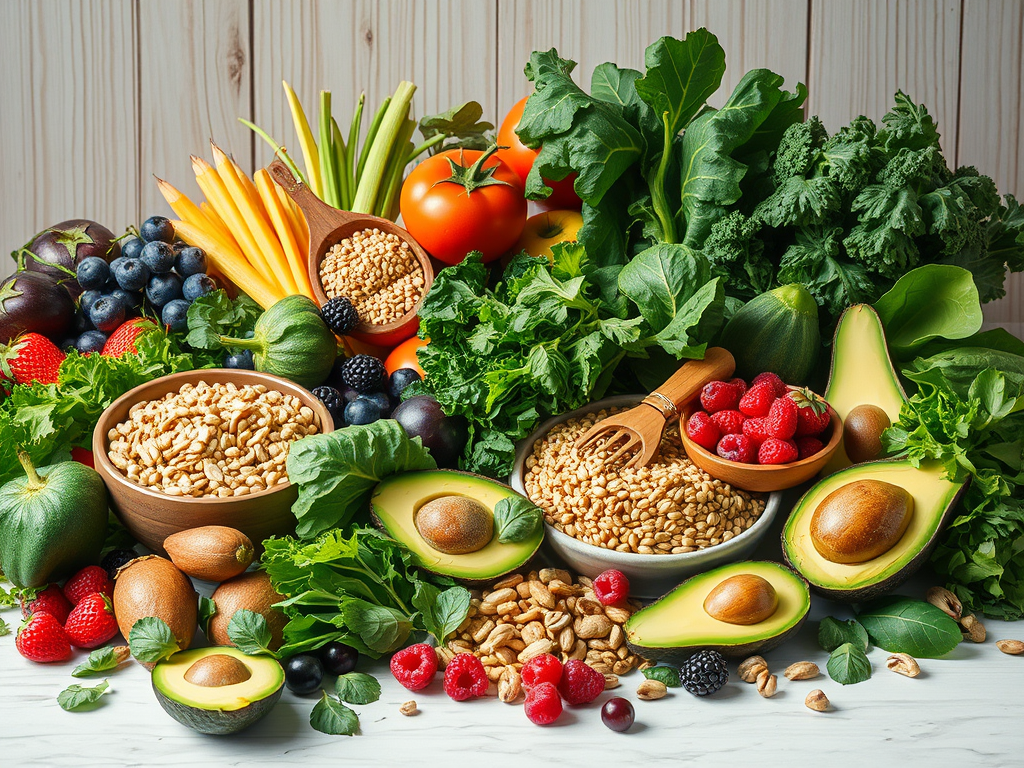
In today’s fast-paced world, it’s easy to grab quick meals, rely on packaged snacks, and overlook what our bodies truly need. But when it comes to long-term vitality, energy, and disease prevention, few habits are as powerful as eating whole, nutrient-dense foods. This way of eating isn’t just a trend—it’s how the human body was designed to thrive.
- Focus on vegetables, fruits, lean proteins, whole grains, and healthy fats.
- Limit processed foods, sugar, and excessive caffeine or alcohol.
- Why: Proper nutrition supports immunity, energy levels, brain function, and long-term disease prevention
🌿 What Are Whole, Nutrient-Dense Foods?
Whole foods are foods that are unprocessed or minimally processed, close to their natural state. Think of them as foods with one ingredient: apples, brown rice, eggs, leafy greens, nuts, salmon. Nutrient-dense foods are those that pack a high amount of vitamins, minerals, fiber, and antioxidants for the number of calories they contain.
Examples of nutrient-dense whole foods include:
- Leafy greens (kale, spinach, arugula)
- Cruciferous vegetables (broccoli, cauliflower)
- Berries (blueberries, raspberries)
- Legumes (lentils, chickpeas)
- Whole grains (quinoa, oats)
- Healthy fats (avocados, olive oil, nuts, seeds)
- Lean proteins (eggs, tofu, fish, organic poultry)
💡 Why Are These Foods So Important?
1. Support Energy & Mental Clarity
Nutrient-dense foods stabilize blood sugar and provide slow-releasing energy. Unlike processed foods that cause energy crashes, whole foods help maintain alertness and mental focus throughout the day.
2. Reduce Inflammation
Many chronic conditions—like heart disease, diabetes, and arthritis—are linked to chronic inflammation. Whole foods rich in omega-3s, antioxidants, and fiber help fight this inflammation at the root.
3. Boost the Immune System
Vitamins like C, D, and A, as well as zinc and selenium—found abundantly in whole foods—support the immune system and help the body ward off infections and illness.
4. Improve Gut Health
Fiber-rich whole foods promote a healthy gut microbiome, which is crucial for digestion, nutrient absorption, mood regulation, and immune function.
5. Help Maintain a Healthy Weight
Whole foods are naturally lower in added sugars and refined carbs. They keep you full longer and reduce overeating, supporting a healthy body weight and metabolism.
✅ How to Make the Shift to Whole Foods
- Read labels: Choose foods with the fewest ingredients (ideally just one).
- Cook at home: This gives you control over ingredients and quality.
- Shop the perimeter: Most fresh, whole foods are found around the edges of grocery stores.
- Prep ahead: Cut vegetables, soak grains, and portion out snacks to make healthy choices convenient.
- Crowd out: Instead of cutting everything at once, add more whole foods gradually so they naturally displace processed ones.
🌱 Final Thoughts
Eating whole, nutrient-dense foods isn’t about restriction—it’s about nourishment. It’s a return to the kind of eating that supports your body, mind, and longevity. With every whole food you choose, you’re investing in your energy, clarity, and overall well-being.
Start small, stay consistent, and enjoy the transformation.

 Inner Wellness Program
Leave a comment